In the physics of high-ratio cakes and aerated whipped toppings, achieving extreme volume and stability is a direct challenge of surface-tension engineering. A masterfully executed chiffon cake, commercial sponge, or stable piping cream requires a batter capable of trapping and holding massive quantities of micro-air bubbles. When baked or whipped, these air pockets must expand uniformly without coalescing or popping, resulting in an exceptionally lightweight, towering structure with an ultra-fine, uniform crumb.
To artificially lower surface tension and lock these delicate air-water-fat networks into place, the industrial baking industry relies heavily on synthetic, high-performance surfactants known as polysorbates (most notably Polysorbate 60 and Polysorbate 80).
For a baker establishing a certified halal protocol, polysorbates represent a highly complex chemical checkpoint. While they are synthesized in industrial labs, their molecular anatomy frequently contains fatty acids harvested from animal fats. By understanding the surface chemistry of interfacial films and utilizing pure, plant-derived saponins and specialized phospholipids, you can achieve maximum aeration and foam stability with absolute halal certainty.
The Molecular Blueprint: Interfacial Tension and Foam Stabilization
To understand how surfactants control the height and density of a cake, you must look at the boundaries where air, water, and fat meet inside your mixing bowl—a region known as the interfacial zone.
The Surface Tension Barrier: Water molecules drag intensely on one another, creating a high surface tension that resists stretching. When you try to whip air into a pure water-and-sugar base, the liquid forces the air bubbles out, causing the foam to collapse instantly.
The Surfactant Bridge: A surfactant like a polysorbate molecule contains a highly hydrophilic (water-loving) polyoxyethylene head and a long, lipophilic (fat-loving) sorbitan fatty acid tail.
The Elastic Film: When beaten into a batter, these molecules rush to the borders of the trapped air pockets. The water-loving heads dissolve into the liquid base, while the fat-loving tails align toward the air or fat droplets. This alignment lowers the interfacial tension dramatically, creating a highly elastic, stretchable film that encapsulates every single air bubble, protecting it from popping under mechanical friction or oven heat.
The Halal Surfactant Compliance Matrix
To secure maximum volume across your batter and cream formulations without introducing questionable chemical derivatives, audit your surfactants using this structural blueprint:
Commercial Polysorbates / E435 & E433 (Suspect / Haram): Highly efficient synthetic emulsifiers. The primary fatty acid used in their synthesis is stearic acid or oleic acid, which can be sourced interchangeably from commercial cattle slaughter or swine processing, rendering them strictly doubtful (Mashbooh) or forbidden without explicit plant-origin certification.
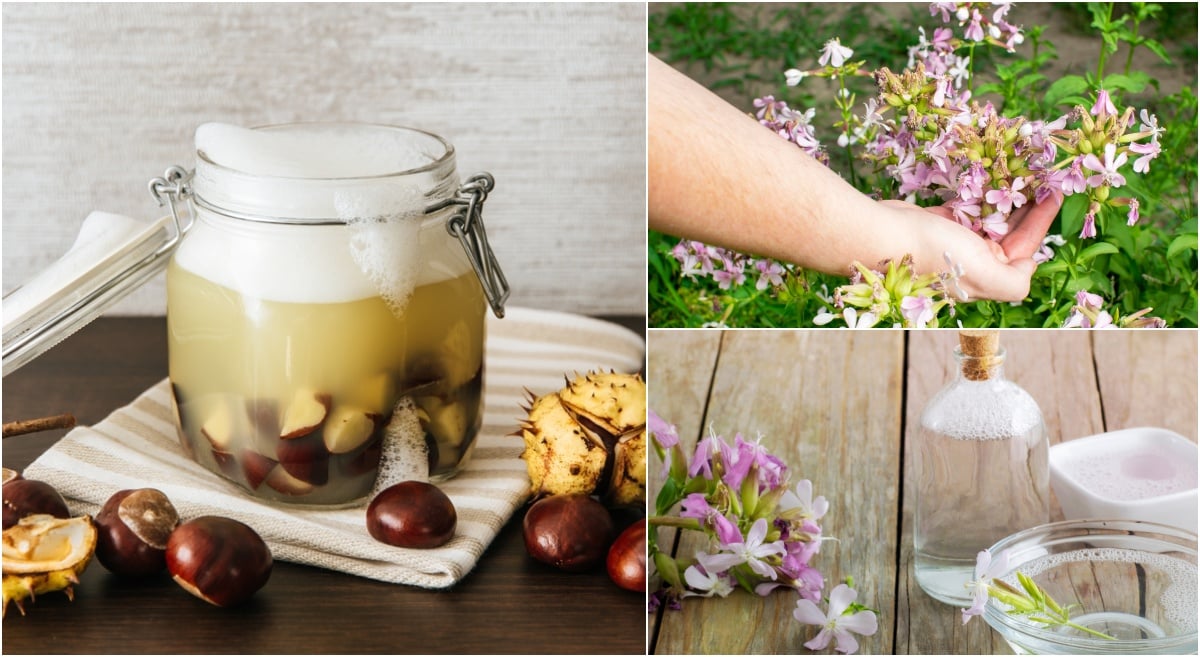
Quillaja Saponins / Soapbark Extract (The Natural Plant Standard): A naturally occurring surfactant extracted mechanically from the inner bark of the Quillaja saponaria tree. It contains water-loving sugar rings bound to oil-loving triterpene structures, forming a highly potent, plant-derived foam engine with zero sourcing doubt.
Soy Lyso-Lecithin (The Bio-Tech Standard): Enzymatically modified soy lecithin where a specific fatty acid tail has been clipped away. This chemical alteration shifts its balance, making it highly water-soluble and turning a standard fat-binder into a high-performance, halal-compliant batter aerator.
1. The Polysorbate Synthesis Trap: Tracking the Fatty Acids
The primary scientific and regulatory hurdle a halal baker faces when dealing with industrial surfactants is that the raw chemical synthesis obscures the original raw material source.
The Sorbitan Link
During the manufacturing of Polysorbate 60, ethylene oxide is reacted with sorbitan esters. These esters are formed by binding sorbitol (a simple sugar alcohol) to stearic acid.
Because industrial chemical plants trade fatty acids in massive, multi-ton storage tanks, plant-derived stearic acid and animal-derived stearic acid are frequently blended together depending on global market prices. A pure white powder of Polysorbate 60 can look completely clean in a lab, yet carry a high risk of containing hidden swine or non-halal beef byproducts. To maintain perfect compliance, a commercial bakery must reject generic polysorbates, mandating documentation proving the fatty acid precursors were derived exclusively from 100% vegetable palm or coconut oil.
2. Plant Saponins: Overcoming the Surface Elasticity Barrier
If you want to eliminate all synthetic industrial chemicals from your formulas while achieving the extreme, pillowy volume of a commercial sponge cake, your ideal alternative is quillaja extract.
The Triterpene Shield
Quillaja extract is packed with natural plant saponins. Saponins possess an entirely different molecular geometry than synthetic polysorbates, featuring a rigid, bulky hydrophobic core made of triterpene rings linked to flexible sugar chains.
When you add a trace of quillaja extract to a cake batter or a vegan meringue base (like aquafaba), the bulky triterpene cores pack together tightly along the surface of the expanding air bubbles. Instead of forming a thin, watery film, they lock together into a highly rigid, viscoelastic structural shield. This incredibly strong plant shield prevents disproportionation—the common baking failure where small air bubbles naturally drain into larger bubbles and pop—ensuring your whipped toppings and chiffon batters maintain a perfectly fine, stable, and velvety foam that never deflates in the oven.
Step-by-Step Halal Aeration Protocol
Follow this sequence to audit your high-volume formulations and stabilize your foams using natural plant-derived alternatives.
Execute a Surfactant Formulation Scan: Inspect the technical ingredient specifications for all commercial cake emulsifier pastes, pre-made whipping creams, pan-release agents, and shelf-life extenders entering your kitchen. Look closely for hidden polysorbate additions, specifically:
Polysorbate 60 / E435 (Polyoxyethylene sorbitan monostearate)
Polysorbate 80 / E433 (Polyoxyethylene sorbitan monooleate)
Polysorbate 65 / E436 (Polyoxyethylene sorbitan tristearate)
Mandate Certified Vegetable Fatty Acid Paths: If your automated production line requires the exact thermal performance of Polysorbate 60, mandate that your chemical supplier provide a batch-specific certificate verifying that the stearic acid used was derived exclusively from certified vegetable-origin palm oil.
Deploy Quillaja Saponins for Extreme Foam Volume: When formulating egg-free sponge cakes, angel food cakes, or stable whipped foams, replace synthetic surfactants by adding 0.1% to 0.2% liquid quillaja extract relative to your total liquid weight. Whisk the extract directly into your liquid water or sugar syrup base before starting your high-speed mixer.
Utilize Soy Lyso-Lecithin for Batter Stability: For high-ratio cakes containing high volumes of liquid sugar and water, incorporate 0.5% enzymatically modified soy lyso-lecithin. The modified plant phospholipids will lower the surface tension of the water base rapidly, allowing the baking paddles to effortlessly carve out millions of uniform micro-air cells that set into a velvety, melt-in-your-mouth crumb.
Troubleshooting Surfactant Failures in Halal Baking
Problem: The High-Ratio Sponge Cake Collapsed in the Center, Developing a Dense, Coarse, and Gummy Crumb
The Cause: You removed a commercial polysorbate-based cake paste but failed to replace it with a functional plant surfactant, leaving the surface tension of the water too high. The air bubbles coalesced into large pockets that ruptured and escaped during baking, causing the structural core to drop. Introduce soy lyso-lecithin or quillaja extract to lock the bubbles in place.
Problem: The Whipped Non-Dairy Pastry Topping Separated into a Watery Fluid and a Hard Fat Mass
The Cause: The emulsion broke because your fat-to-water ratio was thrown off, or you used a pure vegetable fat that lacked enough amphiphilic surfactants to wrap around the lipid droplets. The hydrophobic fats merged together, forcing the water out of the foam matrix. Ensure you use a highly water-soluble surfactant like a certified vegetable-origin polysorbate or lyso-lecithin to secure the phase boundaries.
Problem: The Batter Developed an Unpleasantly Soap-Like, Bitter Flavor Profile After Whipping
The Cause: You over-dosed your natural quillaja saponin alternative. Saponins are naturally bitter and astringent if used above their critical micelle concentration threshold. Cut your plant extract volume back strictly to the 0.1% window; a tiny trace is all that is physically required to lower surface tension and build a towering, flawless foam.