Deep-Flavor Brown Butter Blondies: The Golden Child of the Sheet Pan
Blondies are frequently described as "blonde brownies," but treating them as such misses their unique flavor profile. While brownies rely on the deep bitterness of cacao, blondies depend entirely on the caramelization of sugar and dairy fats. When done right, a blondie delivers a complex, butterscotch-like flavor experience.
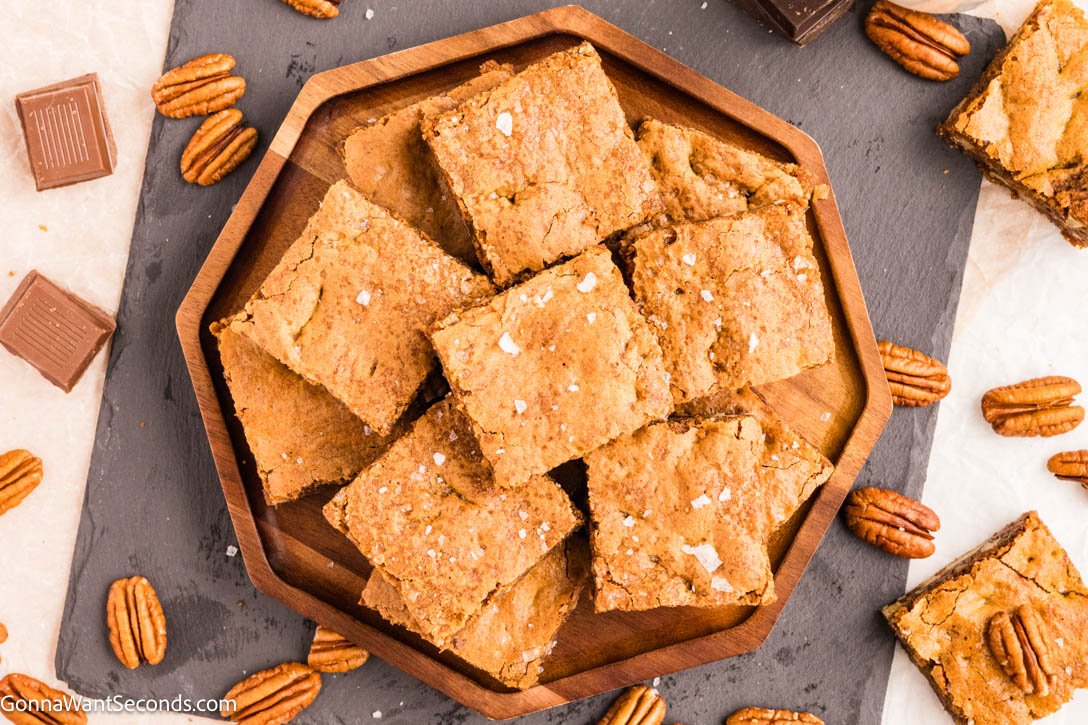
The secret behind a premium blondie profile lies in two distinct culinary processes: the Maillard reaction and the hydration of dark brown sugar. By using browned butter, we cook out the water content and toast the remaining milk solids, amplifying the nutty aromas across the batter. When this is paired with a heavy ratio of dark brown sugar, the natural molasses reacts under oven heat, creating a dense, chewy texture with strong notes of toffee and caramel.
Part 1: The Chemistry of the Maillard Reaction in Pastry
The Maillard reaction is a chemical reaction between amino acids and reducing sugars that gives browned food its desirable flavor. In baking, this usually happens on the crust of a loaf of bread or the edges of a cookie. However, when we brown the butter before mixing it into the blondie dough, we force this reaction to occur throughout the entire fat profile of the dessert.
During the browning process, the water content in the butter evaporates completely at 100°C. Once the water is gone, the temperature of the milk solids rises rapidly, allowing the proteins and sugars in the dairy to bind together. This creates dozens of new flavor compounds that mimic the flavor profile of roasted hazelnuts and toasted toffee, giving the blondie a sophisticated edge over standard sheet-pan desserts.
Part 2: Total Ingredient Formulary
- 150 grams Unsalted Butter (Melted into browned butter and cooled slightly)
- 200 grams Dark Brown Molasses Sugar (Packed firmly)
- 50 grams Fine White Granulated Sugar
- 1 Large Egg + 1 Egg Yolk (Must be at room temperature)
- 1.5 teaspoons Alcohol-Free Vanilla Paste (or vanilla flavor base)
- 180 grams All-Purpose Flour (Protein content around 10.5%)
- 1/2 teaspoon Baking Powder
- 1/2 teaspoon Fine Sea Salt
- 100 grams Halal White Chocolate Chips (or chopped macadamia nuts)
Part 3: Step-by-Step Technical Instructions
Step 1: The Browning Phase
Place the cubed unsalted butter into a light-colored saucepan over medium heat. Using a light-colored pan allows you to monitor the color changes of the milk solids accurately. The butter will melt, foam up, and then begin a loud crackling sound as its water content boils off. After a few minutes, the crackling will stop completely and a second foam will rise. Watch closely as tiny golden-brown specks form at the bottom of the pan. Immediately remove the pan from the heat and pour the liquid fat into a glass bowl to stop the cooking process. Let it cool for 10 minutes.
Step 2: Dissolving the Sugar Matrix
Add the dark brown sugar and white granulated sugar directly to the warm browned butter. Use a heavy wooden spoon or silicone spatula to beat the ingredients together until all sugar lumps are broken down and the mixture looks like wet sand. The remaining warmth in the butter helps soften the molasses inside the brown sugar, facilitating a smoother integration.
Step 3: Emulsifying with Specialized Proteins
Add the whole room-temperature egg, the extra egg yolk, and the alcohol-free vanilla paste to the sugar and fat mixture. Whisk vigorously by hand for 60 seconds. The addition of the extra egg yolk introduces more lecithin and fat without adding the extra water content found in an egg white. This crucial step prevents the blondies from rising into a cake-like crumb, keeping the texture dense, heavy, and satisfyingly chewy.
Step 4: Dry Integration without Gluten Activation
In a separate bowl, stir together the all-purpose flour, baking powder, and fine sea salt. Dump the dry mixture all at once into the wet ingredients. Use your spatula to fold the dough gently. The batter will become exceptionally thick and heavy within a few turns. Stop mixing the exact second the flour disappears into the dough to avoid overworking the gluten proteins. Gently fold in the white chocolate chips or macadamia nuts.
Step 5: Pan Setup and Controlled Baking
Preheat your oven to 175°C. Line an 8x8-inch square metal baking pan with parchment paper, leaving an overhang on the sides. Spread the thick dough into the pan, using your spatula or damp fingers to press it firmly into an even layer. Bake for exactly 20 to 22 minutes. The outer edges should look set and slightly pulled away from the parchment, but the center must remain soft to the touch.
Step 2: Setting and Slicing
Remove the pan from the oven and set it on a wire rack to cool completely at room temperature. The center will continue to cook slightly from residual pan heat as it cools. For pristine bakery-style cuts, place the cooled pan into the refrigerator for 45 minutes before slicing. Use the parchment paper handles to lift the blondies out, and slice them cleanly into 16 perfect squares.