Baking a cake at sea level is a straightforward balance of chemistry and heat. However, if you live in a high-altitude region, that reliable family recipe can quickly become a disaster. You might pull a cake out of the oven only to watch it rise like a balloon and then collapse into a dense, sticky puddle, or turn out incredibly dry and coarse.
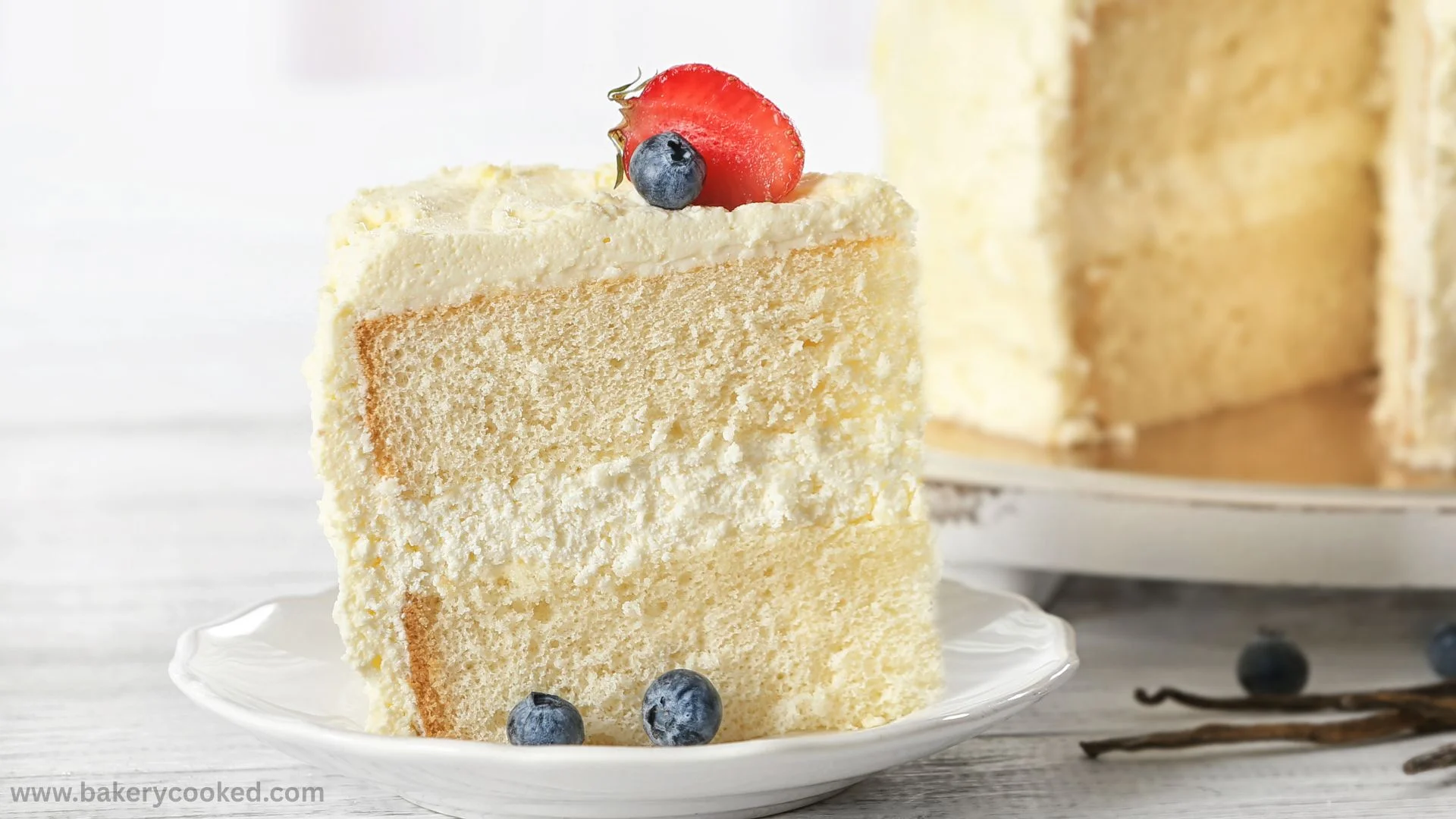
This happens because atmospheric pressure drops as elevation increases. At high altitudes, the weight of the air pushing down on your cake batter is significantly lower.
This drop in pressure completely alters how liquids boil and how leavening gases expand. To get a perfectly level rise and a moist, fluffy sponge in higher elevations, you must manually adjust your recipe to balance this lack of atmospheric weight.
The Physics of High-Altitude Baking
To make the right adjustments, you need to understand how low atmospheric pressure impacts your cake batter in two major ways:
Rapid Gas Expansion: Because the air pressure is lower, carbon dioxide gas from your baking powder or baking soda expands much faster and more violently. The gas bubbles grow too large before the flour starches and egg proteins have time to cook and set. As a result, the bubbles pop, causing the cake to collapse in the middle.
Lower Boiling Point for Water: At sea level, water boils at 212°F (100°C). At higher elevations, liquids evaporate at a much lower temperature. This means the moisture in your cake batter begins evaporating long before the cake finishes baking, leaving you with a dry, overly sweet, and crumbly texture.
The Master Elevation Adjustment Guide
There is no single formula that works perfectly for every kitchen because baking dynamics change at different mountain tiers. Use this reference chart to tweak your standard sea-level recipes based on your specific elevation.
| Ingredient / Factor | 3,000 to 5,000 Feet | 5,000 to 7,000 Feet | Over 7,000 Feet |
| Baking Powder / Soda | Reduce by 10% to 15% | Reduce by 15% to 25% | Reduce by 25% to 50% |
| Sugar | Reduce by 1 tbsp per cup | Reduce by 1 to 2 tbsp per cup | Reduce by 2 to 3 tbsp per cup |
| Liquid (Milk/Water) | Increase by 1 to 2 tbsp per cup | Increase by 2 to 4 tbsp per cup | Increase by 3 to 4 tbsp per cup |
| Flour | Add 1 tbsp per recipe | Add 1 to 2 tbsp per recipe | Add 2 tbsp per recipe |
| Oven Temperature | Increase by 15°F (8°C) | Increase by 15°F to 20°F | Increase by 20°F to 25°F |
Step-by-Step High-Altitude Adjustment Protocol
When modifying a recipe for the mountains, always make small changes first. Adjusting your recipe in a careful sequence helps you pinpoint the exact balance your kitchen needs.
Troubleshooting Mountain Baking Issues
If your mountain bakes are still giving you trouble, use these visual clues to diagnose the problem:
Problem: The Cake is Sticky, Heavy, and Overly Browned
The Cause: Your sugar concentration is too high. Because moisture evaporates rapidly at high altitude, the remaining sugar in your batter concentrates and caramelizes too quickly. Reducing the sugar slightly or adding an extra splash of liquid will fix this balance.
Problem: The Cake Rises Beautifully but Overflowed the Pan
The Cause: This is caused by a combination of unrestricted gas expansion and using pans that are too small for high-altitude volumes. Fill your cake pans no more than half full at high elevations, using any leftover batter for a few side cupcakes.
Problem: The Cake is Coarse, Crumbly, and Falls Apart When Sliced
The Cause: The egg whites were likely over-whipped, or the batter lacks hydration. When whipping egg whites or meringues at high altitudes, always stop at soft peaks. Whipping them to stiff peaks introduces too much air, which easily collapses under low atmospheric pressure.